Agent Selection Is Broken: How to Choose the Right Real Estate Agent (and Why Matchmaking Works)
08 Mar 2026Most people choose agents through referrals, ads, or who responds fastest. That’s a broken system. Learn a better framework to evaluate agents and how data-driven matchmaking can improve outcomes.
1. Real estate is full of paradoxes
One of the biggest: the person who can influence your price, your timeline, and your stress level the most is often chosen in the least rigorous way.
Ask ten people how they picked their real estate agent and you’ll hear some version of:
“A friend referred them.”
“I saw their face on a billboard.”
“They were the first person to respond.”
“My cousin is an agent.”
Sometimes that works. Often it doesn’t. And when it doesn’t, buyers and sellers pay in three currencies: money, time, and regret.
The core problem is not that agents are bad. Many are excellent. The problem is that the selection system is broken because it rewards visibility, proximity, or chance more than fit.
This post breaks down why agent selection fails, what “fit” actually means, and how a matchmaking approach (like Anyone.com’s) can shift the odds in your favor.
2. Why agent selection fails: the market rewards marketing, not outcomes
In many markets, the agents you notice most are simply the ones who spend more on:
ads
lead-buying platforms
team branding
social media promotion
Visibility isn’t the same as skill. A high-production video tour doesn’t automatically translate into:
strong pricing strategy
negotiation capability
contract competence
deadline management
calm under pressure
This is why people can end up with an agent who is popular but not aligned with their goals, property type, or timeline.
3. The “referral trap”: good intention, wrong fit
Referrals are comforting because they’re social proof. But they’re also incomplete information.
A referral tells you: “This agent worked for someone I trust.”
It does not tell you:
whether the agent is great for your neighborhood
whether they specialize in your property type
whether their communication style matches yours
how they perform in today’s market (not last year’s)
Referrals are a starting point. They shouldn’t be the entire decision.
4. The “fast responder problem”: speed isn’t strategy
Choosing an agent because they responded quickly is like choosing a surgeon because they answered the phone first.
Responsiveness is valuable but it’s the baseline, not the differentiator.
What matters more:
do they have a repeatable process?
can they interpret comps accurately?
can they negotiate under pressure?
can they manage the transaction so deadlines don’t slip?
In a stressful, high-stakes process, you want someone with systems, not just availability.
5. “Fit” is measurable, if you know what to measure.
The strongest agent for a luxury condo seller might not be the strongest agent for a first-time buyer in a competitive suburban market.
So what is “fit”?
Think of agent fit across five categories:
A) Market fit
How deep is their experience in your exact area?
Do they know micro-neighborhood pricing and buyer demand?
B) Property fit
Have they handled your property type frequently (condo, single-family, new build, multi-family, rural)?
Do they know common issues and deal structures for that type?
C) Timeline fit
Are they optimized for speed or for maximizing price?
Are they comfortable with your constraints (lease end, job relocation, school schedule)?
D) Communication fit
Do you want daily updates or weekly summaries?
Do you prefer calls, texts, email, or a single workspace where everything is tracked?
E) Strategy fit
How do they price and negotiate?
Do they have a plan for inspection negotiation, appraisal risk, and buyer psychology?
When you define fit this way, agent selection stops being vague.
6. The interview questions that reveal the truth (not the sales pitch)
Most agent interviews are too polite. People ask:
“How long have you been in real estate?”
“Are you full-time?”
Those questions matter, but they don’t reveal performance.
Ask questions that expose process and judgment:
For buyers:
“How do you decide what a home is worth?”
“What’s your strategy when multiple offers exist?”
“What do you recommend I never waive, and why?”
“How do you help buyers avoid overpaying?”
“What’s your communication rhythm during the transaction?”
For sellers:
“How do you choose a listing price, walk me through comps.”
“What’s your plan if the home doesn’t get strong interest in 10 days?”
“How do you handle inspection and appraisal negotiation?”
“Which improvements are actually worth doing before listing?”
“How will you keep me updated and reduce surprises?”
A great agent answers with specifics, not generic confidence.
7. The hidden cost of a poor agent match
A mismatch can cost you in ways you only notice later:
For buyers:
Overpaying because comps weren’t analyzed well
Missing homes because showings weren’t scheduled fast enough
Losing offers because terms weren’t structured strategically
Underestimating repair costs or deal risks
For sellers:
Mispricing (too high = stale listing, too low = lost value)
Poor prep recommendations (wasted money on the wrong upgrades)
Weak negotiation on inspection credits
Delays that create chain reactions (moving, buying next home, etc.)
Even when deals close, the opportunity cost can be significant.
8. Why matchmaking is the wedge that fixes the system
If agent selection is broken because it’s based on luck, marketing, or proximity, the fix is simple in theory:
Match people to agents based on the situation using data, not guesswork.
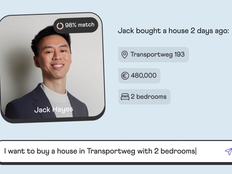
That’s the promise of a platform-style approach like Anyone.com:
Instead of browsing for an agent the way you browse for a restaurant, you define your needs.
The platform helps connect you with agents who align with those needs.
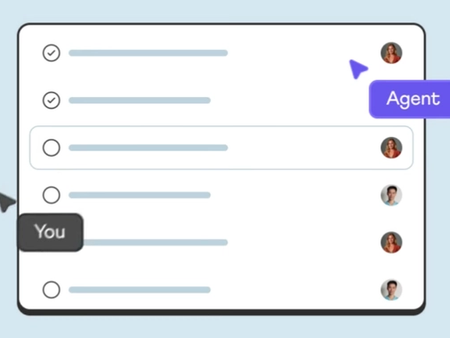
The transaction is then managed inside a single workflow so communication and next steps don’t scatter.
Matchmaking is not magic. But it can prevent predictable mismatches by using structured inputs such as:
location and neighborhood
timeline and urgency
budget range
property type
buyer vs seller goals
preferences about communication and support
This shifts the selection process from “pick someone” to “find the best fit.”
9. A better agent selection process you can use today (even without a platform)
If you want to fix your selection process right now, follow this:
Define your situation in one paragraph
Example: “First-time buyer, competitive market, want to close in 90 days, need guidance, prefer structured communication.”Shortlist 3 agents
include one referral (if you have it)
include one local specialist
include one agent discovered through a modern platform or marketplace
Interview all three using the same questions
Consistency reveals differences.Ask for a sample plan
A seller listing plan or a buyer strategy document is a great signal.Choose based on fit not charisma
If you’re unsure, prioritize process and communication reliability.
10. For agents: why this shift is good for you too
This isn’t just a consumer problem. Agents also lose when selection is random:
great agents waste time on low-fit leads
consumers churn because expectations weren’t aligned
transactions become stressful and inefficient
A matchmaking approach can create:
better client alignment
higher satisfaction
fewer fall-throughs
better retention and referrals
For high-quality agents, a platform that rewards fit can be a competitive advantage.
11. The future: agent selection becomes a workflow, not a phone number
The old world is:
find listing
call random agent
manage deal in scattered texts, emails, and attachments
The modern world is:
define needs
match with the right agent
manage the deal inside a shared workspace with transparency and trackable steps
That’s not just a convenience upgrade. It’s a risk-reduction upgrade.
Final note
Choosing an agent shouldn’t feel like choosing a lottery ticket. It should feel like choosing a professional partner using a clear system.
If you’re buying or selling this year, don’t ask “Who’s the biggest agent?” Ask:
“Who’s the best fit for my exact situation and how will we run this process together?"
When in doubt, simply use Anyone.com's find an agent solution: https://anyone.com/find-agent
Overview
Share via
Other articles
27 Feb 2026
Finding the right real estate ...
At Anyone.com, we built Find an Agent as a true matchmaking engine, not a generic directory. Our system profiles 4.6 million agents worldwide and analyzes 12+ billion data points across 300+ million property records, so we can connect ...